Preventing dental problems in children starts with simple daily habits, regular dental check-ups, and timely preventive care. Parents can help prevent dental problems in children by encouraging good brushing habits, limiting frequent sugary foods and drinks, protecting teeth from injuries, and addressing dental concerns early. These habits can help children maintain healthy teeth and gums as they grow.
Good dental habits begin much earlier than many parents realise. Children do not need to wait until all their permanent teeth appear before starting proper dental care. Looking after the gums and baby teeth from the beginning can help reduce the risk of cavities, gum problems, dental infections and some developing bite problems.
The American Academy of Pediatric Dentistry (AAPD) recommends a dental visit within six months of the first tooth appearing and no later than 12 months of age.
Here are eight important areas where parents should pay attention to prevent dental problems in children.
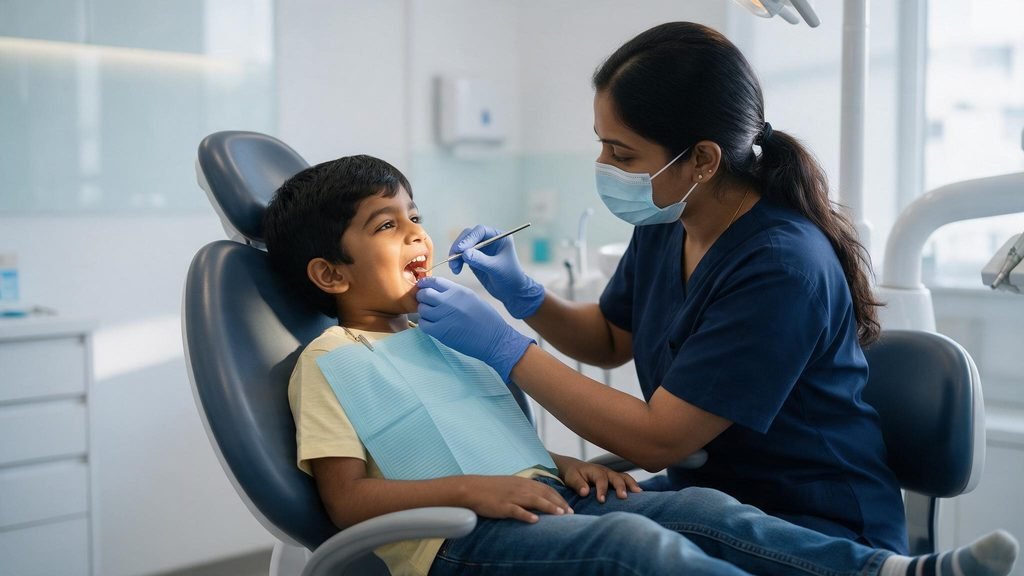
1. Prevent Tooth Decay and Cavities
Cavities are one of the most common dental problems in children, but parents can help prevent many of them with consistent dental care.
Help your child:
- Brush twice a day with an age-appropriate amount of fluoride toothpaste.
- Supervise brushing until your child has developed good brushing skills.
- Limit frequent sugary snacks, sweets, and sweetened drinks.
- Encourage water between meals.
- Do not let your child sleep with a bottle filled with a sugary drink.
- Take your child for regular dental examinations rather than waiting for a toothache.
The CDC recommends fluoride toothpaste for children, with the amount adjusted according to age.
| Child’s Age | Amount of Fluoride Toothpaste | What Parents Should Do |
|---|---|---|
| Under 3 years | A rice-grain-sized smear | Supervise your child while brushing. For children under 2, ask your dentist or doctor about using fluoride toothpaste. |
| 3–6 years | No more than a pea-sized amount | Supervise your child while brushing and encourage them to spit out the toothpaste. |
Brushing is important, but it is not the only factor. How often your child has sugary foods and drinks also matters. Frequent snacking on sugary foods can make cavity prevention more difficult.
2. Look After the Gums
Healthy gums should not routinely be swollen, tender or bleeding.
As children grow, encourage them to clean around the gumline properly. As appropriate for their age and tooth development, cleaning between teeth should also become part of their routine.
If your child’s gums repeatedly bleed while brushing, appear swollen, or there is persistent bad breath, do not simply stop brushing.
It is best to have your child’s mouth examined so a dentist can identify the cause.
Good oral hygiene from an early age helps children develop habits that can continue into adulthood.
3. Watch for Developing Bite and Alignment Problems
A child’s teeth and jaws continue to develop throughout childhood. Some bite or alignment concerns become more noticeable as the child grows.
Habits such as prolonged thumb sucking or pacifier use can affect the developing bite. The AAPD recommends that parents receive guidance about non-nutritive sucking habits and their possible effects on oral development.
Parents do not need to become anxious about every small difference in tooth position. Regular dental checkups allow the dentist to monitor growth and decide whether further assessment is needed.
4. Do Not Ignore Tooth Sensitivity or Pain
If your child repeatedly complains that a tooth hurts when eating something cold, hot, or sweet, do not ignore it.
Sensitivity can have several causes, including tooth decay, enamel problems, trauma, or other dental conditions. A brief complaint does not necessarily mean there is a serious problem, but persistent or increasing sensitivity should be checked.
The same applies to toothache. Children sometimes find it difficult to describe exactly what is bothering them, so a dental checkup can help identify the source.
5. Protect Teeth From Dental Injuries
Children are active, so falls, playground accidents, and sports can sometimes injure or loosen their teeth.
For children who play contact or high-impact sports, an appropriately fitted mouthguard can help protect their teeth and mouth.
If your child’s tooth is knocked out, chipped, displaced, or becomes loose after an accident, contact a dentist immediately. Even if the injury doesn’t look serious, a dentist should check the tooth for any underlying damage.
The AAPD includes dental injury prevention and management among the areas that should be discussed as part of children’s preventive oral care.
6. Make Preventive Dental Care Part of the Routine
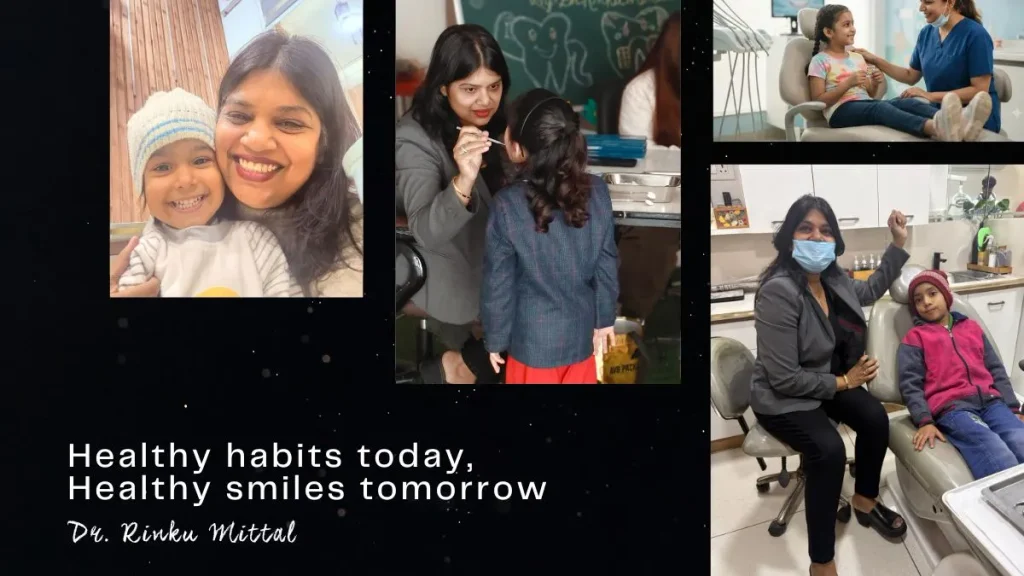
Preventive dentistry is not only about treating cavities after they develop. It is also about identifying a child’s individual risk and taking appropriate steps to reduce it.
Depending on the child’s age, teeth, and cavity risk, a dentist may recommend preventive measures such as:
- Fluoride applications or fluoride varnish
- Pit-and-fissure sealants on suitable teeth
- Dietary guidance
- Improved brushing techniques
- Regular professional examinations
The CDC recommends discussing fluoride varnish and dental sealants with a child’s dentist when appropriate. The AAPD also recognises fluoride and sealants as important preventive options based on a child’s individual caries risk.
So, preventive care should be individualised rather than assuming that every child needs exactly the same treatment.
For additional information on children’s oral health and preventive dental care, parents can also refer to the American Dental Association’s MouthHealthy resources.
7. Pay Attention to Thumb-Sucking and Pacifier Habits
Thumb sucking and pacifier use are common in infancy and early childhood. The concern is mainly when these habits continue for a prolonged period as the child grows.
Instead of repeatedly scolding or frightening a child, parents can use encouragement and positive reinforcement.
If the habit continues beyond the expected age, discuss it with your dentist. The child’s age, frequency of the habit, and developing bite all matter when deciding what should be done.
Getting guidance early can be much easier than trying to correct a habit later.
8. Help Your Child Become Comfortable With Dental Visits
Preventing dental problems also means helping children become comfortable with dental care.
Parents can make dental visits easier by:
- Speaking positively and simply about the dentist.
- Avoiding frightening stories about dental treatment.
- Bringing children for routine visits rather than only when they have pain.
- Allowing the dentist to become familiar gradually.
- Avoiding using the dentist as a threat or punishment.
Every child is different. A calm, age-appropriate approach can help create a more positive attitude towards dental care.
Simple Habits to Prevent Dental Problems in Children

Parents sometimes look for one special product or treatment that will prevent dental problems. In reality, prevention usually comes from several small habits repeated consistently:
Brush twice daily + limit frequent sugar exposure + encourage healthy eating and drinking habits + attend regular dental check-ups + address problems early.
Your child’s dentist can also assess whether preventive measures such as fluoride varnish or pit-and-fissure sealants are appropriate for your child’s individual risk. If you are looking for a child-friendly dentist in Hisar, regular preventive dental visits can help identify problems early.
Common Mistakes Parents Make
Some simple habits can make dental problems worse, even though parents may easily overlook them.
Common mistakes include:
- Waiting for the first toothache before visiting a dentist.
- Assuming baby teeth do not need much care because they will eventually fall out.
- Allowing young children to brush completely unsupervised.
- Giving frequent sugary snacks or drinks throughout the day.
- Ignoring repeated bleeding gums or tooth sensitivity.
- Trying to force a child to stop thumb sucking without guidance.
- Talking about dental treatment in a way that creates unnecessary fear.
Prevention becomes much easier when these habits are addressed early.
Frequently Asked Questions
When should a child first visit the dentist?
A child’s first dental visit should ideally take place within six months of the first tooth appearing and no later than the first birthday.
Should children use fluoride toothpaste?
Yes, fluoride toothpaste plays an important role in preventing cavities. Use an age-appropriate amount, and supervise young children while they brush.
Are fluoride varnishes useful for children?
A dentist may recommend fluoride varnish for children who need additional protection against cavities. Whether it is appropriate depends on the child’s age, oral health, and cavity risk.
What are pit-and-fissure sealants?
Sealants are protective materials that a dentist places in the grooves of certain teeth, especially the back teeth, when appropriate. They can help prevent cavities in areas where food and plaque can collect.
Are baby teeth important?
Yes. Baby teeth help children eat and speak and play an important role while the mouth and permanent teeth are developing. They should be cared for like permanent teeth.
Is thumb sucking harmful?
Thumb sucking is common in young children. A prolonged sucking habit can affect developing oral structures and bite, so it should be discussed with a dentist.
What should I do if my child has a toothache?
Arrange a dental examination, particularly if the pain is persistent, severe, associated with swelling, or affecting eating or sleeping. Pain relief may provide temporary comfort, but finding the underlying cause is important.
Children’s Dentistry in Hisar
Good children’s dental care is not about waiting for a problem and then treating it. It is about building healthy habits, monitoring dental development, and using preventive measures when they are appropriate for the individual child. These habits can help prevent dental problems in children.

At Shubham Dental Clinic in Hisar, children’s dental care includes preventive approaches such as fluoride applications/varnishes and pit-and-fissure sealants, along with examination and guidance according to the child’s dental needs.
If you are looking for children’s dentistry in Hisar or have a concern about your child’s teeth, gums, brushing habits, or developing bite, you can learn more about our Children’s Dentistry in Hisar services or contact the clinic for an appointment.
Sources & Further Reading
Centers for Disease Control and Prevention (CDC)
Oral Health Tips for Children — guidance on children’s brushing, fluoride toothpaste, fluoride varnish and dental sealants.
American Academy of Pediatric Dentistry (AAPD)
Policy on Early Childhood Caries: Consequences and Preventive Strategies — evidence-based recommendations for preventing early childhood caries and establishing early dental care.
Very interesting, knowledgeable & really valuable article
Thank you, Dr. Harry, for your thoughtful feedback. I’m pleased to know that you found the article informative and useful. Your appreciation is truly encouraging.
Encouraging to know that preventive care in children can avoid big problems.
Thank you for your thoughtful comment! 😊 Preventive dentistry in children can make a real difference by helping identify and prevent dental problems at an early stage. At Shubham Dental Clinic in Hisar, we encourage parents to build good oral-care habits early and schedule regular dental check-ups for their children.