
Dental implants are a well-established option for replacing missing teeth and restoring chewing function, appearance, and confidence. Depending on the condition of a damaged tooth, treatments such as root canal treatment may sometimes help preserve the natural tooth, while dental implants are an option when a tooth is missing or cannot be saved. Whether implants are suitable depends on your oral health, jawbone condition, overall health, and individual treatment needs.
What are dental implants?
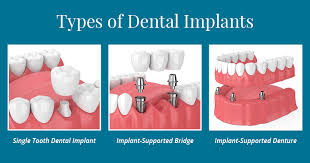
A dental implant is a small, screw-like structure placed into the jawbone to support a replacement tooth. After the implant integrates with the surrounding bone, an abutment connects the implant to an artificial tooth, usually a crown.
The crown is custom-made to fit the patient’s mouth and is designed to match the appearance of the surrounding teeth. With proper planning and care, an implant-supported crown can look and function much like a natural tooth.
Dental Implant Procedure
The treatment process varies from person to person. Your dentist first examines your teeth, gums, and jawbone and may recommend dental X-rays or other imaging to assess the area.
If an implant is suitable, it is placed into the jawbone. The healing period allows the implant to integrate with the surrounding bone, a process known as osseointegration. Once healing is adequate, the abutment and customized crown can be placed.
The number of visits and overall treatment time depend on factors such as the number of teeth being replaced, bone condition, healing, and whether additional procedures are required.
Advantages of Dental Implants
Compared with removable dentures, implant-supported teeth may offer several benefits, depending on the individual case:
- They can provide a comfortable and natural-looking tooth replacement.
- They are fixed in place rather than being removed every night.
- They can improve chewing and speaking compared with some removable options.
- They can help maintain the jawbone around the area of tooth loss.
- They do not require reducing healthy neighbouring teeth in the same way as a conventional dental bridge.
- With good oral hygiene and regular dental care, implants can provide a long-lasting tooth-replacement option.
Are Dental Implants Right for You?
Dental implants are not suitable for everyone. Adequate jawbone support, healthy gums, good oral hygiene, and appropriate general health are important considerations. In some cases, you need an additional treatment before an implant can be placed.
The best way to determine whether implants are suitable for you is to have a dental examination and discuss your options with your dentist. Your dentist can assess your individual condition and explain the most appropriate treatment plan.
If you have one or more missing teeth and are considering tooth replacement, you can consult Shubham Dental Clinic in Hisar to discuss whether dental implants are a good option for you.
FREQUENTLY ASKED QUESTIONS ABOUT DENTAL IMPLANTS
What are dental implants?
Dental implants are artificial tooth roots that are placed into the jawbone to support a replacement tooth. They are used to replace one or more missing teeth and provide a stable and natural-looking solution.
Are dental implants painful?
The implant procedure is performed under local anesthesia, so you should not feel sharp pain during the procedure. Some soreness, swelling, or discomfort may occur after treatment and usually improves as the area heals.
How long do dental implants take?
Dental implant treatment can take several months because the implant needs time to integrate with the jawbone before the final replacement tooth is placed. The overall treatment time varies depending on bone condition, healing, and the individual treatment plan.
Who is a suitable candidate for dental implants?
People with one or more missing teeth may be suitable for dental implants if they have adequate bone support and healthy gums. A dental examination and appropriate X-rays help the dentist determine whether implants are suitable.
How long do dental implants last?
With proper oral hygiene, regular dental check-ups, and appropriate care, dental implants can provide a long-lasting tooth replacement. Their longevity varies from person to person and depends on oral health, maintenance, and other individual factors.
Can dental implants replace multiple missing teeth?
Yes. Dental implants can replace multiple missing teeth. Depending on the number and position of missing teeth, treatment options may include individual implants, implant-supported bridges, or implant-supported dentures.
What happens if there is not enough bone for a dental implant?
If there is insufficient bone to support an implant, the dentist may recommend a bone-grafting procedure or another treatment to improve the available bone. Whether this is required depends on the individual case and the findings from the dental examination and X-rays.