

Gum disease and heart health are more closely connected than many people realise. Research has found an association between periodontal disease (gum disease) and cardiovascular disease, although current evidence does not establish that gum disease directly causes heart attacks. This World Heart Day 2026, it is a good reminder that looking after your gums is an important part of looking after your overall health.
At Shubham Dental Clinic in Hisar, we regularly see patients who say, “Doctor, my gums bleed a little, but there’s no pain.”
Here’s the important part: regularly bleeding gums are a sign of gum inflammation and deserve attention.
Recent research continues to show an association between gum disease and cardiovascular disease, although researchers are still studying whether gum disease directly contributes to cardiovascular events.
In this article, I’ll explain the connection between gum disease and heart health in simple words, what current research actually tells us, and the practical steps you can take to look after your gums and your overall health—without fear or unnecessary medical jargon.
What is gum disease or pyorrhea?

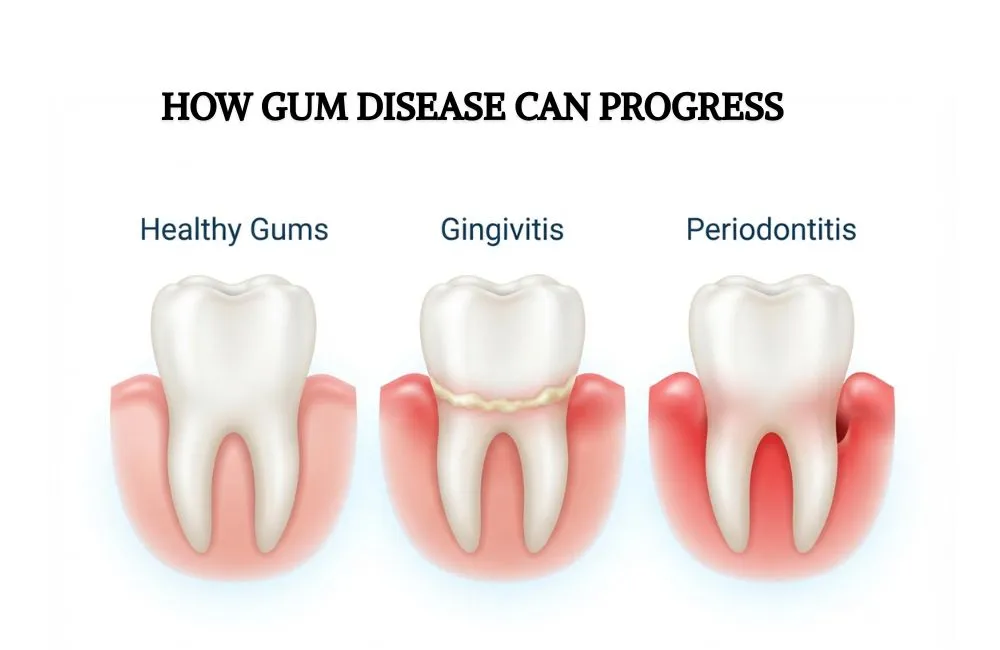
Gum disease is inflammation and infection affecting the tissues that support your teeth.
It usually begins as gingivitis, when plaque—a sticky film containing bacteria—builds up around the gumline. The gums may become red, swollen, and prone to bleeding.
If gingivitis is not managed, it can progress to periodontitis, which many patients commonly call pyorrhea. Periodontitis can damage the tissues and bone supporting the teeth.
Over time, this may lead to:
- Gums pulling away from the teeth
- Pus around the gums
- Loose or shifting teeth
- Increasing gaps between teeth
- Changes in your bite
- Difficulty chewing
- Eventually, tooth loss
The World Health Organization notes that periodontal disease can cause bleeding or swollen gums, bad breath, separation of the gums from the teeth, and, in severe cases, destruction of the supporting bone and tooth loss.
An important point: gum disease may not hurt
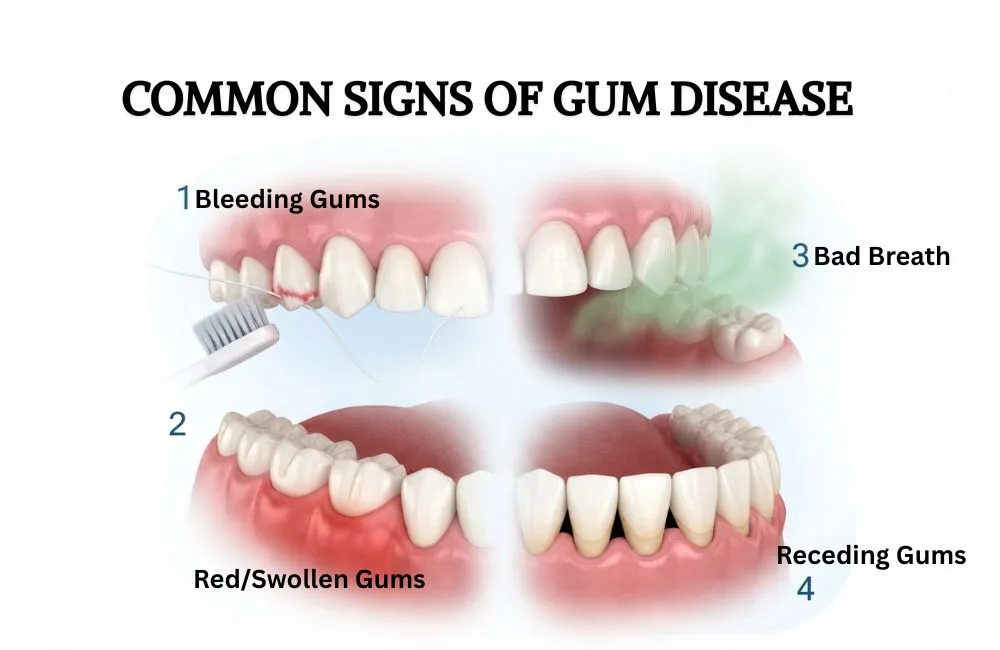
Many people assume that if their gums are not painful, everything is fine.
Unfortunately, that is not always the case.
Gum disease can progress without significant pain. That’s why regular dental examinations matter—especially if you notice bleeding, swelling, bad breath, or changes around your teeth.
If your toothbrush or floss regularly comes back pink or red, don’t simply get used to it. Regular bleeding is a reason to have your gums examined.
So, what is the connection between gum disease and heart health?
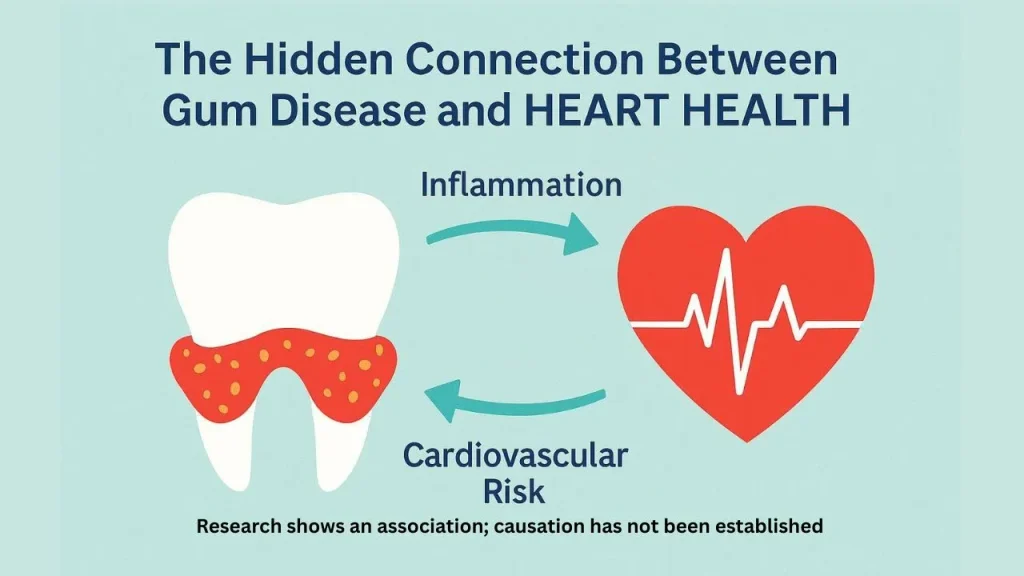
For many years, researchers have observed that people with periodontal disease also tend to have higher rates of cardiovascular conditions.
The American Heart Association’s 2025 scientific statement reviewed the relationship between periodontal disease and atherosclerotic cardiovascular disease (ASCVD).
The evidence supports an association between the two conditions. Researchers have also studied possible mechanisms, including bacteria entering the bloodstream and inflammation that may have effects beyond the mouth.
However, there is an important distinction that should not be overlooked:
Association does not mean causation.
Having gum disease does not mean that a person will have a heart attack or stroke.
People with periodontal disease and cardiovascular disease may also share several risk factors, including:
- Smoking or tobacco use
- Diabetes
- Obesity
- Increasing age
- Unhealthy diet
- Low physical activity
Because of these overlapping factors, researchers have not yet established that treating gum disease directly prevents heart attacks or strokes.
More research is needed to understand exactly how gum disease and heart health are related and whether periodontal treatment changes cardiovascular outcomes.
So what is the practical message?
It is not:
“Treat pyorrhea and you will prevent a heart attack.”
A more responsible message is:
“Healthy gums are an important part of overall health, and looking after your oral health should be part of looking after your whole body.”
Why should bleeding gums and gum disease not be ignored?
Many patients tell me:
“My gums have always bled a little.”
But regular bleeding should not simply be accepted as normal.
Here is what can happen:
- Plaque that is not removed can harden into tartar, also called calculus.
- Once tartar has formed, brushing alone cannot remove it.
- Persistent inflammation can allow gingivitis to progress to periodontitis.
- If gum disease progresses, the supporting tissues and bone around the teeth can be damaged.
Early detection can make gum disease easier to manage and may help prevent further damage.
So don’t wait for severe pain, loose teeth, or visible gum recession before getting your gums checked.
Who should pay extra attention to gum health?
Good oral hygiene matters for everyone. However, you should be particularly attentive to your gum health if you:
- Have diabetes
- Smoke or use tobacco
- Frequently notice bleeding gums
- Have persistent bad breath
- Notice your gums receding
- Feel that your teeth are becoming loose
- Notice increasing gaps between your teeth
- Find it difficult to clean between your teeth regularly
- Have cardiovascular risk factors such as high blood pressure, high cholesterol or obesity
Diabetes, gum disease and overall health
If you have diabetes, your gum health deserves particular attention.
Diabetes and periodontal disease have a two-way relationship.
Diabetes can increase the risk and severity of periodontal disease. At the same time, severe periodontal inflammation can make blood glucose management more difficult.
Good oral health is an important part of managing diabetes. Regular dental and medical care should go hand in hand.
7 simple steps to protect your gums and support your overall health
The good news is that many protective habits are simple and can become part of your everyday routine.
1. Brush gently twice a day

Use a soft or ultra-soft toothbrush and fluoride toothpaste.
Pay attention to the gumline, where plaque tends to accumulate.
Think “gentle cleaning,” not aggressive scrubbing.
2. Clean between your teeth every day
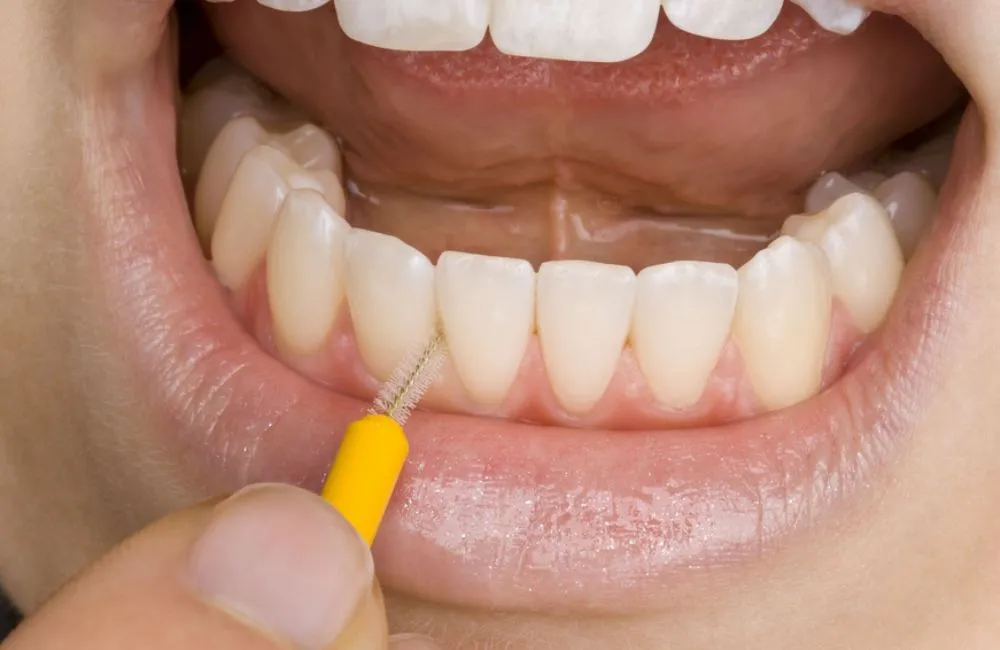
A toothbrush cannot adequately clean every area between your teeth.
Depending on your needs, your dentist may recommend:
- Dental floss
- Interdental brushes
- A water flosser
Cleaning between your teeth is an important part of maintaining healthy gums.
3. Don’t ignore bleeding gums
If your gums bleed regularly while brushing or cleaning between your teeth, arrange a dental examination.
Bleeding is a sign worth investigating rather than something you should simply get used to.
4. Get professional dental cleaning when needed
Even with good daily brushing, some plaque can harden into tartar in areas that are difficult to clean.
During a dental examination, we can assess your gum health and determine whether you need professional cleaning or periodontal treatment.
Depending on the condition of your gums, treatment may include scaling, deeper periodontal cleaning, or other appropriate care.
5. Avoid tobacco and nicotine products
Smoking and smokeless tobacco are established risk factors for both periodontal disease and cardiovascular disease.
If you smoke, use chewing tobacco or gutka, or use other nicotine products, consider seeking professional help to quit.
Stopping tobacco use can benefit your oral and overall health.
6. Manage diabetes, blood pressure and cholesterol
If you have diabetes, high blood pressure, high cholesterol or another chronic health condition:
- Follow your doctor’s advice
- Take prescribed medicines as directed
- Keep your dentist informed about your medical conditions and medicines
Good communication between your medical and dental teams can help with safer, more coordinated care.
7. Follow a healthy lifestyle
Your mouth is part of your body.
Habits that support overall health can also support your oral health, including:
- Eating a balanced diet
- Limiting excess sugar and highly processed foods
- Staying physically active
- Maintaining a healthy weight
- Getting adequate sleep
- Avoiding tobacco
- Keeping up with regular medical and dental check-ups
Your dental visit is about more than cavities
At Shubham Dental Clinic in Hisar, a dental examination is not simply about looking for cavities.
We also examine the gums and supporting tissues for signs of:
- Inflammation
- Bleeding
- Periodontal pockets
- Gum recession
- Infection
- Changes that may require further evaluation
We also consider your medical history.
If you have a heart condition, diabetes, take blood thinners, or regularly use other medicines, please tell your dentist before treatment.
In some situations, your dental care needs coordination with your physician or cardiologist.
When should you see a dentist for gum disease?
Don’t wait for severe pain before having your gums checked.
Arrange a dental examination if you notice:
- Bleeding gums
- Swollen or tender gums
- Persistent bad breath
- Receding gums
- Loose teeth
- Pus around the gums
- Increasing gaps between teeth
- Changes in your bite or chewing
These symptoms can have different causes. A proper dental examination can help identify the problem and determine whether periodontal treatment is needed.
Frequently Asked Questions About Gum Disease and Heart Health
1. Can gum disease cause heart attacks?
Current research shows an association between gum disease (periodontal disease) and cardiovascular disease, but it has not established that gum disease directly causes heart attacks.
The American Heart Association’s 2025 scientific statement explains that people with periodontal disease have higher rates of some cardiovascular conditions. However, they may also share other risk factors, including smoking, diabetes, obesity, and increasing age. Researchers need more evidence to determine whether treating periodontal disease directly reduces the risk of heart attacks or strokes.
Bottom line: Healthy gums are an important part of overall health, including heart health, but treating gum disease should not be considered a guarantee against heart attacks.
2. Is bleeding gums normal?
No. Regular bleeding from the gums should not be considered normal, even when there is no pain.
Bleeding while brushing or cleaning between your teeth can be a sign of gum inflammation, such as gingivitis, or more advanced periodontal disease.
Plaque buildup around the gumline can irritate the gums and cause redness, swelling, and bleeding. When plaque hardens into tartar, professional dental cleaning may be needed to remove it.
If your gums bleed repeatedly, arrange a dental examination rather than simply getting used to it. Early assessment can help identify the cause and prevent gum problems from progressing.
3. Does treating gum disease reduce the risk of heart disease?
We know that periodontal disease and cardiovascular disease are associated, but there is not yet sufficient evidence to say that treating gum disease by itself directly prevents heart attacks or strokes.
What we do know is that:
- Treating gum disease can reduce gum inflammation, bleeding and the risk of further damage to the supporting tissues and teeth.
- Good oral hygiene and regular dental care are important for maintaining oral health and overall wellbeing.
- Managing shared risk factors—such as avoiding tobacco, managing diabetes, eating a balanced diet and staying physically active—can benefit both oral and cardiovascular health.
Treating periodontal disease protects your oral health and may support your overall health. It should be one part of a broader approach that includes healthy lifestyle habits and managing cardiovascular risk factors.
4. How often should I have my gums checked?
There is no single dental-visit schedule that is right for everyone.
Many adults have routine dental examinations approximately every six months, but your dentist may recommend more frequent visits depending on your oral health and individual risk factors.
You may need closer monitoring if you:
- Have a history of gum disease
- Have diabetes
- Smoke or use tobacco
- Frequently experience bleeding gums
- Have persistent bad breath
- Have gum recession or loose teeth
- Have difficulty maintaining good oral hygiene
During a dental examination, your dentist may assess gum inflammation, check for periodontal pockets, look for recession or other changes, and remove tartar when professional cleaning is required. If you want to know more about the importance of regular dental checkups , then read our article why do you need a regular dental checkup.
If you have heart disease, diabetes or take regular medicines, including blood thinners, always inform your dentist so that your dental care can be planned appropriately.
World Heart Day is a reminder—but healthy habits are for every day
World Heart Day 2026, with the theme “Don’t Miss a Beat,” focuses attention on recognising signs and risk factors related to cardiovascular disease.
For our oral health, there is a similar everyday lesson:
Don’t ignore changes in your gums.
- Don’t ignore regular bleeding.
- Don’t wait for your teeth to become loose.
- Don’t wait for severe symptoms before seeking care.
Looking after your teeth and gums is not a replacement for medical care, and treating gum disease does not guarantee protection against heart disease.
But maintaining good oral health is an important part of looking after your overall health.
Take care of your gums, your teeth, and your health. ❤️🦷
Dental Care at Shubham Dental Clinic, Hisar

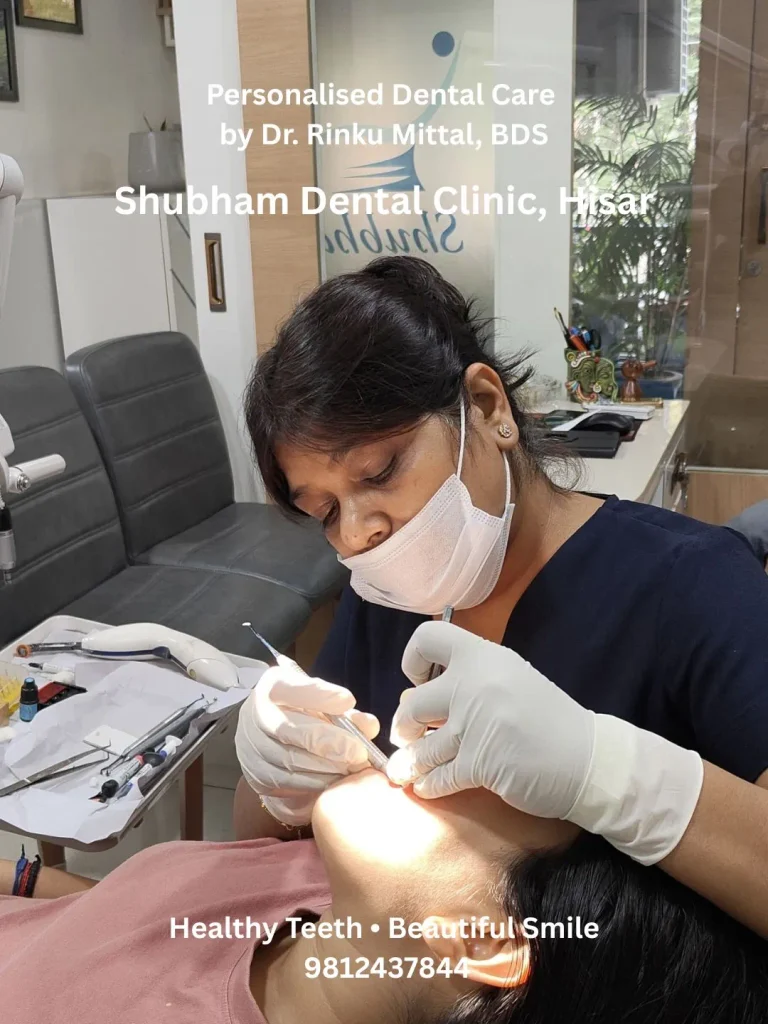
If you are experiencing bleeding gums, tartar buildup, persistent bad breath, gum recession, or loose teeth, a thorough dental examination can help identify the cause and guide the appropriate treatment.
Shubham Dental Clinic
CUG-63, First Floor, Urban Estate II, Pushpa Complex, Hisar, Haryana 125005
Dr. Rinku Mittal, BDS
Personalised Dental Care by Dr. Rinku Mittal, BDS, with 26 years of experience
We regularly see patients from Urban Estate, Red Square, and nearby sectors of Hisar.
If you are concerned about your gums, don’t wait until the problem becomes difficult to ignore. An early dental assessment helps identify the cause and determine whether you need treatment.
Sources / Further Reading
- American Heart Association – Periodontal Disease & Atherosclerotic Cardiovascular Disease — Scientific statement, December 2025
- American Heart Association – Oral Health — Patient information on oral health and cardiovascular health
- World Health Organization – Oral Health — Periodontal disease, risk factors and the relationship with diabetes
- World Heart Federation – World Heart Day 2026: “Don’t Miss a Beat” — 2026 campaign information