
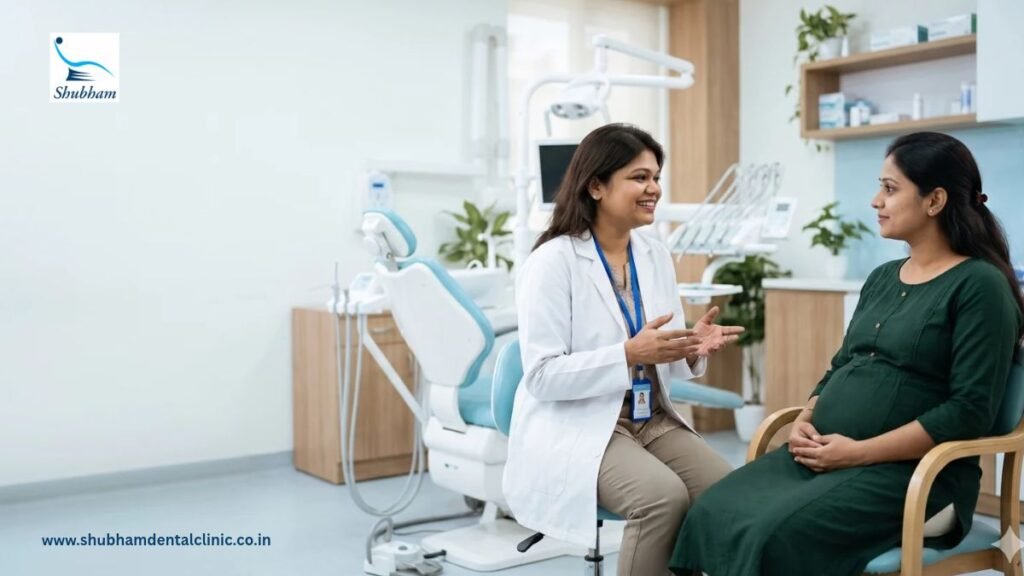
Is dental treatment safe during pregnancy? This is a common concern among expecting mothers. Pregnancy brings many changes to a woman’s body, including changes in oral health. Some women experience bleeding gums, tooth sensitivity, morning sickness, or dental problems during this time. However, many expectant mothers hesitate to visit a dentist because they worry that dental treatment might harm their baby.
The good news is that dentists can safely provide most routine and necessary dental treatments during pregnancy. They can perform dental check-ups, professional cleaning, fillings, root canal treatment, and necessary tooth extractions with appropriate precautions
Avoiding dental care because of pregnancy is not always the best decision. Untreated tooth decay, dental infections, and gum problems can cause discomfort and become more serious when you delay treatment.
Planning a pregnancy through IVF? Taking care of your oral health is also an important part of preparing for pregnancy. Read our article: [Dental Check-Up Before IVF: Why It Matters].
Learn what dental care is considered safe during pregnancy.
Is Dental Treatment Safe During Pregnancy?
Dentists can perform most routine dental procedures during pregnancy. pregnancy. Your dentist will consider your stage of pregnancy, dental condition, medical history, and overall health before recommending treatment.
1. Dental Check-Ups
Regular dental check-ups are important during pregnancy. Your dentist can identify cavities, gum inflammation, and other problems before they become more serious.
2. Scaling and Professional Teeth Cleaning
Hormonal changes during pregnancy can make gums more sensitive and prone to inflammation. Professional cleaning removes plaque and tartar that regular brushing cannot remove.
3. Dental Fillings
If you have a cavity, your dentist may recommend a filling to prevent further tooth damage. Treating decay early can help avoid more complicated procedures later.
4. Root Canal Treatment
A severely infected or damaged tooth may require root canal treatment. Pregnancy is not a reason to leave a painful or infected tooth untreated. Your dentist will assess the condition and plan appropriate care.
5. Tooth Extraction
If your tooth has severe damage or infection and your dentist cannot save it, you may need an extraction. The decision depends on the urgency of the problem and your individual health condition.
Is Dental Treatment Safe in All Three Trimesters?
Yes. Necessary dental care can be provided throughout pregnancy. Your dentist may adjust the timing of planned, non-urgent procedures for your comfort, but you should seek prompt care for urgent dental problems in any trimester. Understanding whether dental treatment is safe during pregnancy can help expectant mothers make informed decisions about their oral health.
First Trimester: Weeks 1–12
This is an important period of fetal development. Routine check-ups, professional cleaning, and necessary dental treatment can be considered. If you have severe pain, swelling, infection, or a broken tooth, do not delay dental assessment because of the stage of pregnancy.
Second Trimester: Weeks 13–27
The second trimester is often a comfortable time for planned dental treatment. Pregnancy-related nausea often improves during this period, making it easier to undergo routine procedures such as professional cleaning and fillings.
However, this does not mean that dental care is unsafe in the first or third trimester.
Third Trimester: Week 28 Until Delivery
Dental treatment can still be provided when needed. Sitting in the dental chair for a long time may become uncomfortable, so your dentist may recommend shorter appointments and comfortable positioning.
Remember: An urgent dental problem should be assessed promptly, regardless of the trimester.
Are Dental X-Rays Safe During Pregnancy?
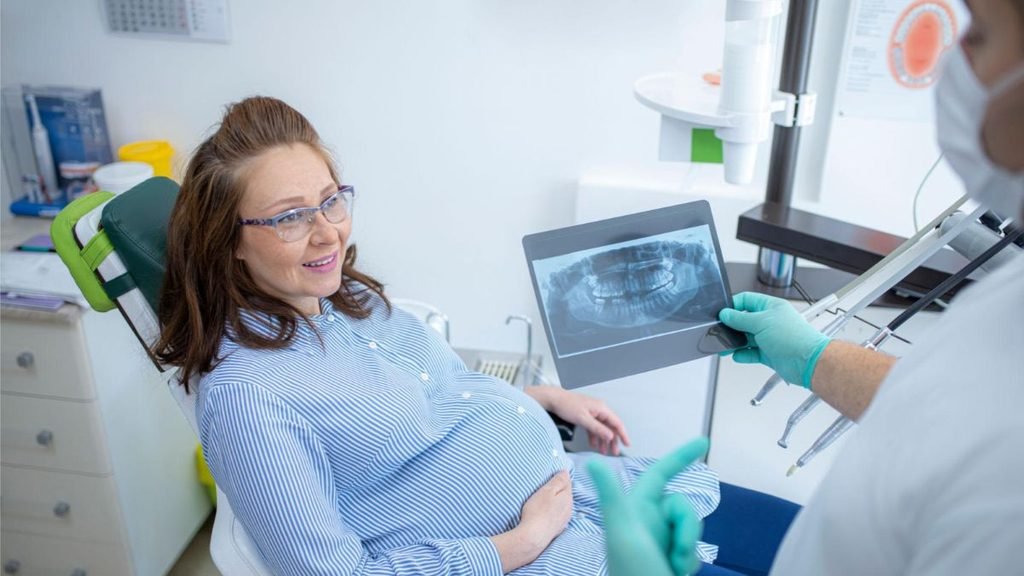
Many pregnant women worry about dental X-rays.
When clinically necessary, dental X-rays can be taken during pregnancy. Your dentist will recommend an X-ray only when it is needed to diagnose a problem or plan appropriate treatment. Modern dental X-ray equipment and proper radiation-safety practices help keep radiation exposure very low.
A necessary dental X-ray should not automatically be withheld during pregnancy. Delaying an important diagnosis can sometimes make a dental problem harder to treat.
Your dentist will recommend imaging only when the benefits of an accurate diagnosis justify it. Routine imaging that is not needed for your dental care will not be recommended.
Is Local Anaesthesia Safe For Pregnant Women?
Yes. Local anaesthesia is commonly used during dental procedures to keep patients comfortable.
Lidocaine, with or without epinephrine, is commonly used for dental treatment and may be used during pregnancy when clinically appropriate. Your dentist will select the suitable medicine and dose after considering your pregnancy, medical history, and treatment needs.
Always inform your dentist that you are pregnant before treatment.
Nitrous Oxide and Sedation During Pregnancy
Nitrous oxide, also known as laughing gas, is generally avoided for pregnant patients because of potential concerns about exposure to the developing baby.
If you feel anxious about dental treatment, tell your dentist and discuss the alternatives. Intravenous sedation or general anaesthesia requires careful assessment and coordination with your obstetrician and relevant medical team.
When Should You Not Delay a Dental Visit?
Some dental problems need timely attention. Do not wait until delivery if you experience:
- Persistent or severe toothache.
- Swelling in the gums, face, or jaw.
- Pus or signs of dental infection.
- A broken or damaged tooth.
- Bleeding, swollen, or painful gums.
- Difficulty chewing because of dental pain.
Facial swelling, fever, difficulty swallowing, or difficulty breathing can indicate a spreading infection and require urgent medical and dental assessment. Difficulty breathing is a medical emergency.
What Should You Tell Your Dentist Before Treatment?
Before starting any dental procedure, share the following information with your dentist:
- How many weeks pregnant you are.
- Whether your pregnancy is considered high-risk.
- Any pregnancy-related complications or medical conditions.
- Medicines and supplements you are currently taking.
- Any specific advice or restrictions given by your obstetrician.
If your pregnancy is high-risk or you have specific medical concerns, your dentist may coordinate with your gynaecologist or obstetrician before planning treatment.
Never start painkillers, antibiotics, or other medicines on your own during pregnancy. Always take medicines prescribed by an appropriate healthcare professional.
Take Care of Your Dental Health During Pregnancy

Pregnancy is not a reason to neglect your teeth and gums. A few simple habits can help maintain good oral health:
- Brush twice daily with fluoride toothpaste.
- Clean between your teeth every day.
- Maintain a balanced diet and limit frequent sugary snacks.
- Drink enough water and avoid neglecting regular dental check-ups.
- Visit your dentist if you notice bleeding gums, toothache, or any other dental problem.
If you experience vomiting during pregnancy, rinse your mouth with water afterwards. You can also rinse with a solution of one teaspoon of baking soda in a cup of water to help neutralise the acid. Avoid brushing immediately after vomiting; wait around 30 minutes to protect the softened enamel.
If you have frequent acidity or vomiting, ask your dentist how to protect your teeth from acid erosion.
For more everyday advice, read our guide: 12 Dental Tips During Pregnancy.
Frequently Asked Questions
If you are still wondering, ‘Is dental treatment safe during pregnancy?’, the following answers address some common concerns.
Can I visit a dentist in my first trimester?
Yes. Dental check-ups and necessary treatment can be provided during the first trimester. If you have pain, swelling, or an infection, do not postpone assessment until the second trimester.
Can I get a root canal during pregnancy?
Yes. Root canal treatment can be performed during pregnancy when clinically necessary. Treating an infected tooth can help prevent the problem from becoming more serious.
Can I have a tooth extraction while pregnant?
A necessary tooth extraction can be performed during pregnancy. Your dentist will assess the tooth, your medical history, and the urgency of treatment before recommending the procedure.
Should I postpone dental treatment until after delivery?
Not necessarily. Preventive care and necessary dental treatment can be provided during pregnancy. Delaying treatment for an active infection or painful tooth may lead to further complications.
Looking for Dental Care During Pregnancy in Hisar?
At Shubham Dental Clinic, Hisar, we understand that expecting mothers may have concerns about dental treatment. We provide guidance and appropriate dental care for women during pregnancy. You can also learn more about our [Dental Care During Pregnancy in Hisar] services.
Dr. Rinku Mittal (BDS), with over 26 years of dental experience, provides patient-focused dental care and guidance.
Do not let fear prevent you from getting a dental problem checked. If you are pregnant and experiencing toothache, bleeding gums, or any other dental concern, contact us for an appointment.
Shubham Dental Clinic
CUG-63, 1st Floor, Urban Estate II, Pushpa Complex, Hisar, Haryana – 125005
Healthy gums and teeth are an important part of looking after yourself during pregnancy.